Choosing an Electric Pruner is no longer a simple question of battery voltage. The market now includes bypass, anvil, telescopic, lightweight, and professional models. Each design behaves differently on rose stems, orchard branches, and dense vineyard growth.
Grand View Research reports that the global gardening equipment market is expanding as homeowners and professionals seek faster, more ergonomic tools. Its analysis also identifies battery-powered equipment as a major growth area. Mordor Intelligence similarly projects continued growth in the cordless power tools market, supported by lithium-ion battery improvements and reduced maintenance. These reports do not prove that every Electric Pruner is reliable. They show where the industry is moving.
“Labor is the single largest expense in most horticultural operations,” says Charlie Hall, Ph.D., a horticultural economist at Texas A&M University. His observation explains the appeal of powered cutting tools. Less hand pressure can matter after hundreds of cuts. Still, convenience has limits. Battery weight, blade quality, charging time, and branch capacity can change the real experience.
Small details matter.
A pruner that cuts a dry 25-millimeter branch may struggle with wet, fibrous wood. Some advertised cutting capacities also feel optimistic in everyday use. This guide compares ten Electric Pruner types through practical features, professional use cases, and reported market trends. It considers cutting speed, grip comfort, safety controls, battery systems, and long-term serviceability. The “best” model may not be the strongest one. It may be the tool that fits your hands, plants, workload, and willingness to maintain it.
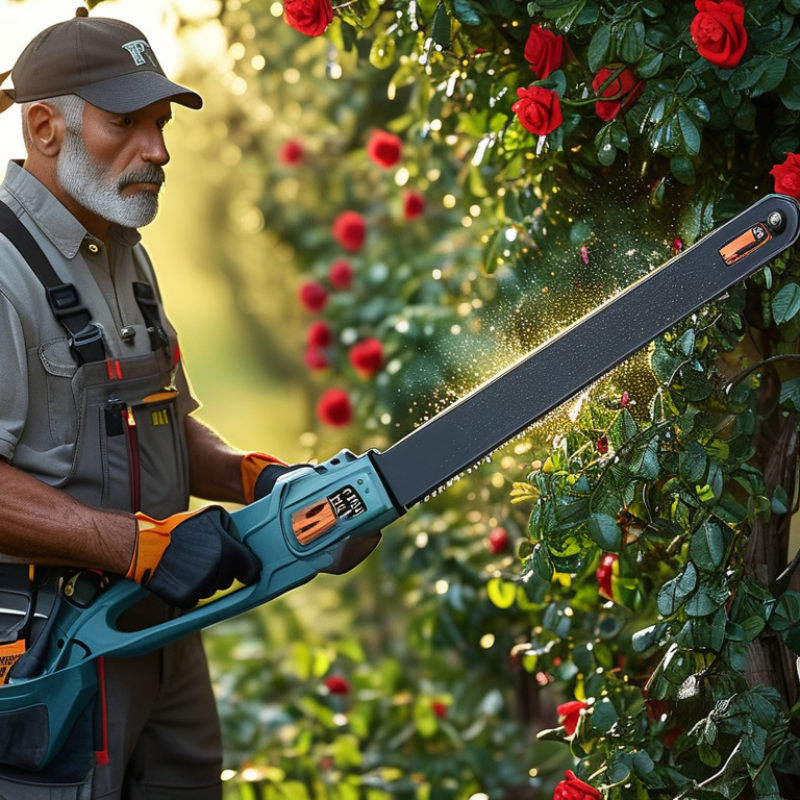
Electric pruners differ by design, power source, and cutting mechanism. The most common designs include bypass, anvil, ratchet, telescopic, and compact models. Bypass blades pass like scissors and leave cleaner cuts on living stems. Anvil models press branches against a flat surface. They suit dry or harder wood, though they may crush soft tissue. Ratchet systems multiply hand pressure through repeated squeezes. That feels slower, but it can reduce wrist strain.
Power usually comes from rechargeable batteries, replaceable cells, or a corded connection. Battery models offer freedom around trees and narrow planting beds. Their performance depends on voltage, charge level, temperature, and blade sharpness. Corded tools provide steady power, but the cable can limit movement. A useful electric pruner should balance weight, grip size, trigger control, and cutting capacity. I have learned that a higher capacity rating does not always mean better field performance. A heavy tool can become tiring before the work is finished.
Tips: Match the mechanism to the branch. Use bypass blades for fresh green growth and anvil blades for dead wood. Check the stated maximum diameter, but do not treat it as a daily target. Clean sap from the blades after use. Keep spare batteries warm in cold weather. Test the safety lock before each session. If a cut feels forced, stop and inspect the branch or blade. Small mistakes here can become expensive damage.
Electric pruners differ mainly in cutting mechanism, power source, reach, and intended workload. The chart compares representative maximum branch diameters for common tool classes. Actual capacity varies with blade sharpness, wood species, moisture, and tool design.
Which one is best? Cordless bypass models are the most versatile for routine pruning, while anvil models are better suited to harder or drier wood. Telescopic and pole versions improve reach, pneumatic and hydraulic systems support intensive professional work, and high-torque battery models are designed for larger branches. Choose based on branch diameter, daily workload, reach, portability, and available power.
Electric pruners differ by blade action, reach, power source, and cutting purpose. Choosing well starts with the branch, not the tool.
Bypass pruners make clean cuts on live stems, like slicing a pencil with a sharp knife. Anvil pruners press wood against a flat surface. They suit dry branches, but may crush soft tissue. Ratchet pruners use repeated squeezes for thicker wood and smaller hands.
Cordless handheld pruners offer freedom around beds and young trees. Corded pruners provide steady power, though their cable can catch on shrubs. Long-reach pruners extend the handle for shoulder-height work. Pole pruners reach high limbs without a ladder.
Telescopic models adjust their length for changing canopy heights. Compact mini pruners handle flowers, herbs, and narrow spaces. Heavy-duty electric loppers use longer handles and stronger motors for larger branches. Their weight can become tiring sooner than expected.
Tips: Check the rated cutting diameter against your actual branches. Clean blades after use, and inspect the safety lock before charging. Hold the branch steady. Never force a stalled motor. I once chose reach over balance, and the tool felt useful for ten minutes only. Battery size, grip comfort, and serviceable blades deserve equal attention. A model that cuts fast but strains your wrist is not truly efficient.
Electric pruners differ in cutting capacity, blade precision, battery endurance, and build quality. When comparing the top ten types, start with branch diameter rather than advertised power. Small bypass models suit fresh stems and roses. Anvil models handle harder, drier wood but may crush tender growth. Telescopic designs reach high branches, although their longer shafts can reduce control.
Capacity comes first. Check the tool’s rated diameter against your actual garden work, then leave a safety margin. A pruner rated for 25 millimeters may struggle with dense hardwood.
Battery capacity also matters. A compact battery may finish light trimming, while larger orchards require a replaceable pack or quick charging. Keep the charger dry and inspect the battery housing regularly.
Precision depends on blade alignment, trigger response, and vibration. A clean cut should look smooth, not torn. Adjustable openings help with thin stems, but complicated controls can slow work.
Durability comes from hardened blades, protected gears, sealed switches, and a comfortable handle. I once chose the strongest cutter available, yet its weight caused hand fatigue after an hour. That choice was not entirely right.
Test the balance with one hand. Listen for grinding sounds. Check whether spare blades and service instructions are available before purchase. A pruner that cuts quickly but cannot be maintained may become an expensive tool very soon.
Choosing an electric pruner starts with the plant, not the battery. Bypass models make clean cuts on fresh rose stems, grapevines, and young fruit branches. Anvil models suit dry wood, but they may crush soft tissue. Ratchet-assisted pruners help gardeners with weaker hand strength or repeated cuts. Compact designs work well for balcony herbs and small shrubs. Long-reach versions reduce ladder use when removing thin, high branches.
For orchards, choose a high-capacity pruner with a firm blade and adjustable cutting range. Check the stated diameter carefully. A tool rated for 30 millimeters may struggle with hard, twisted wood. Vineyard models should feel light during hundreds of quick cuts. Multi-angle heads help reach crowded branches, although their joints can require more cleaning. Hedge-focused electric cutters are useful for shaping, not for precise branch removal.
I once used a powerful pruner on a young plum tree. The cut was fast, but the branch split because I ignored its angle. That mistake still influences my choices. Weight matters after an hour, not after five minutes. Look for a balanced grip, a guarded trigger, and a battery that fits your daily workload. Clean sap from the blade after each session, then inspect the locking mechanism. No tool stays accurate when neglected. Even experienced gardeners sometimes choose excessive cutting power for delicate plants.
Among the ten common types of electric pruners, safety depends more on habits than cutting power. I inspect the blade, trigger, guard, and battery housing before every session. A loose screw can become a flying hazard. Disconnect the battery before clearing jammed twigs, even when the tool appears switched off. Wear eye protection, firm gloves, and non-slip footwear. Keep the other hand away from the cutting zone. Wet branches also deserve caution; moisture can reduce grip and damage electrical contacts.
Maintenance should be simple, but it is often neglected. After pruning, I remove sap with a suitable cloth, dry the tool, and apply a light lubricant to the pivot. Sharpening matters because blunt blades increase pressure and hand fatigue.
Store batteries partly charged, away from heat and metal objects, and use approved charging equipment. Never place damaged batteries in household waste. Battery recycling guidance from local waste authorities is more reliable than informal online advice.
Long-term care also includes records. I note charging problems, unusual sounds, and blade changes. Honestly, I sometimes postpone cleaning after a short job. That mistake makes sap harder to remove later. A monthly inspection catches small failures before spring pruning becomes an expensive repair. Safety is not dramatic. It is repetitive.
: Choose a bypass model for rose stems, grapevines, and young fruit branches. It makes cleaner cuts. Match the blade to living, flexible wood.
Anvil models can handle dry wood effectively. They may crush soft tissue, though. Use them carefully around living branches.
Ratchet-assisted models reduce hand pressure during repeated cuts. They help with long pruning sessions. Comfort still depends on grip balance.
Long-reach models can reduce ladder use. They suit thin, high branches. Avoid forcing them through thick, twisted wood.
No. A tool rated for 30 millimeters may struggle with hard wood. Branch angle, dryness, and twisting affect performance. Ratings are helpful, but not perfect.
Inspect the blade, trigger, guard, battery housing, and screws. Wear eye protection, firm gloves, and non-slip footwear. Keep your free hand away from the cutting zone. Small checks prevent serious mistakes.
Remove sap with a suitable cloth and dry the tool. Apply light lubricant to the pivot. Sharpen blunt blades before pressure increases. Clean it early.
Store it partly charged, away from heat and metal objects. Use approved charging equipment. Do not place damaged batteries in household waste. Local recycling guidance is safer than casual online advice.
Yes. Powerful tools may split young branches when the cutting angle is wrong. I have made that mistake myself. Choose controlled power for delicate plants, not maximum strength.
Choosing the right Electric Pruner begins with understanding its basic design, power source, and cutting mechanism. This guide explores ten main types, including compact handheld models, long-reach tools, bypass and anvil designs, and options suited to different cutting conditions. Each type offers distinct advantages in terms of portability, power, blade movement, branch capacity, and control. By comparing cutting performance, precision, battery endurance, operating comfort, and construction quality, users can identify the tool that best matches their gardening needs.
The best Electric Pruner depends on the plants and tasks involved. Small tools are suitable for flowers, herbs, and thin stems, while stronger models are better for shrubs, fruit trees, and thicker branches. The guide also explains how to use pruning tools safely, maintain clean and sharp blades, care for batteries, inspect moving parts, and store equipment properly. With suitable selection and regular care, an electric pruning tool can provide efficient, accurate, and dependable performance over the long term.

Chongtai